
Technology in Agriculture | Chas. S. Middleton and Son
For generations, managing cattle has involved building and maintaining fences, checking livestock, gathering herds, and moving cattle between pastures. On large ranches, these responsibilities can require considerable time, labor, and expense.
But what if a rancher could establish pasture boundaries, move cattle, and monitor an entire herd using a smartphone?
That is the concept behind Halter, an agricultural technology company developing smart cattle collars and virtual fencing systems.
Although the technology is relatively new to many American ranchers, it represents an interesting advancement in livestock management.
How Does Halter Work?
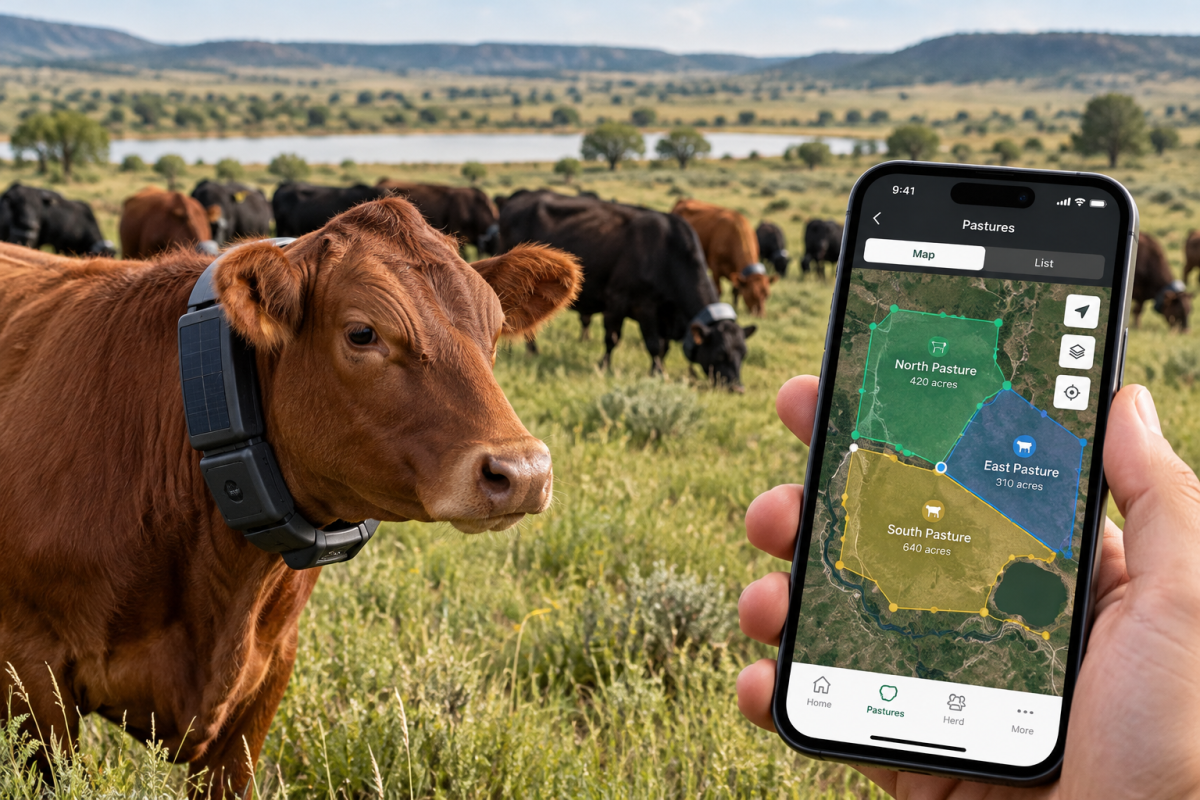
Halter uses solar-powered electronic collars worn by individual cattle. The collars work with positioning technology, wireless communications, and software that allows ranchers to establish virtual pasture boundaries.
Using the Halter mobile application, a rancher can create grazing areas and direct cattle movements without necessarily constructing physical cross-fences.
The collars provide directional sound and vibration cues that cattle learn to recognize through training. An electrical pulse may be used when an animal does not respond to the initial cues.
The system can also provide information about cattle location and activity, allowing producers to monitor their herds remotely.
Moving Cattle Without Traditional Cross-Fencing
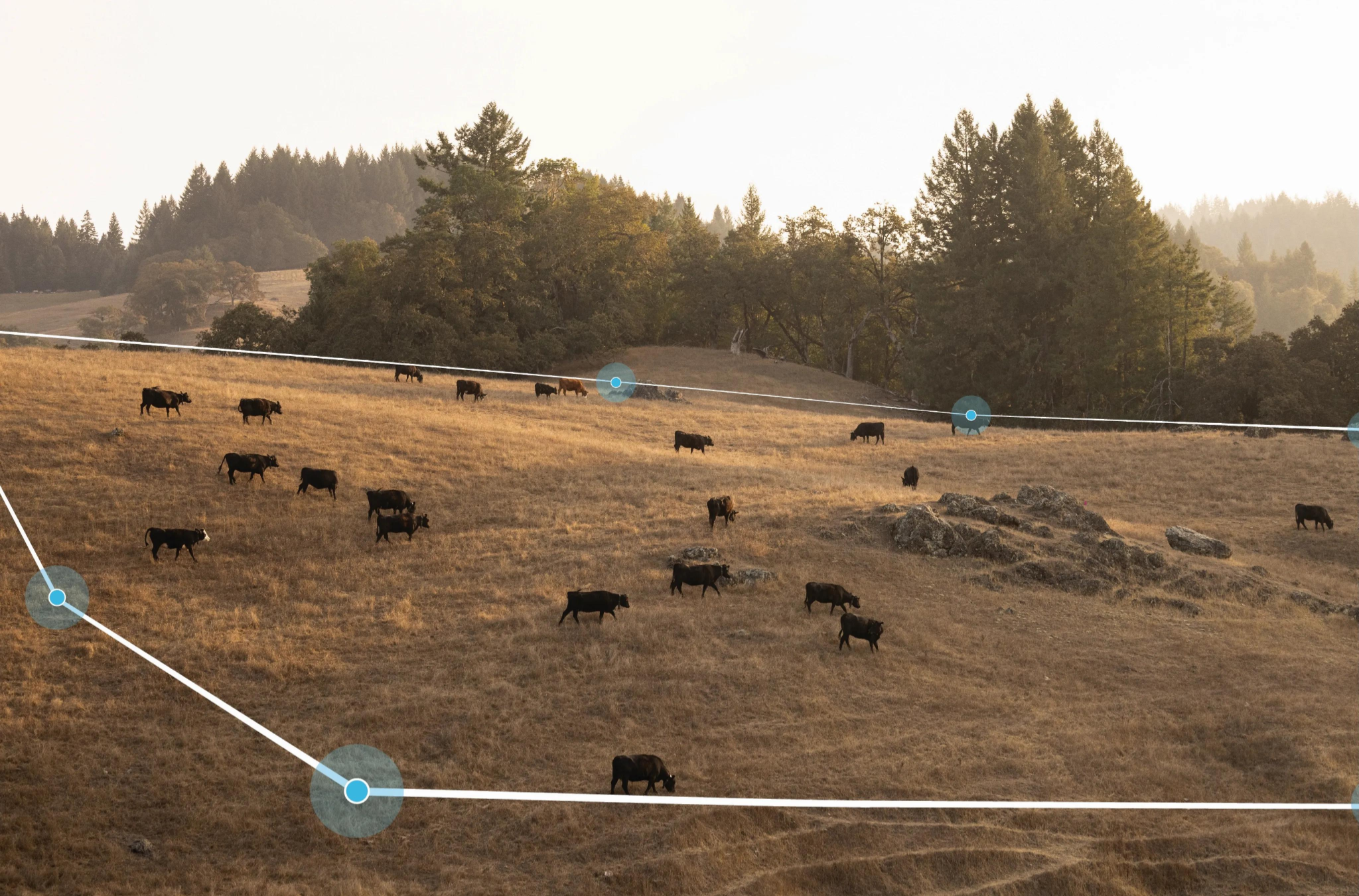
One of Halter's most interesting applications is rotational grazing.
Traditionally, dividing a ranch into multiple grazing areas requires cross-fencing, gates, water infrastructure, and considerable labor.
Virtual fencing allows ranchers to establish and adjust grazing boundaries digitally.
For example, a rancher could divide a large pasture into smaller grazing areas, moving cattle periodically to help manage forage utilization and pasture recovery.
These changes can be made through the application without physically relocating fencing materials.
See Halter in Action
Potential Benefits for Ranchers
The technology may provide several operational advantages:
Reduced fencing expenses: Virtual boundaries may reduce the need for certain interior cross-fences.
Labor savings: Remote cattle movement may reduce time spent gathering and relocating livestock.
Improved grazing management: Ranchers can adjust grazing areas as forage conditions change.
Remote livestock monitoring: Location and activity information may help identify animals requiring attention.
Greater management flexibility: Grazing boundaries can be modified without extensive physical improvements.
The actual benefits will depend on the ranch, terrain, herd management practices, subscription costs, and training requirements.
Texas Tech Research and Potential Funding Opportunities
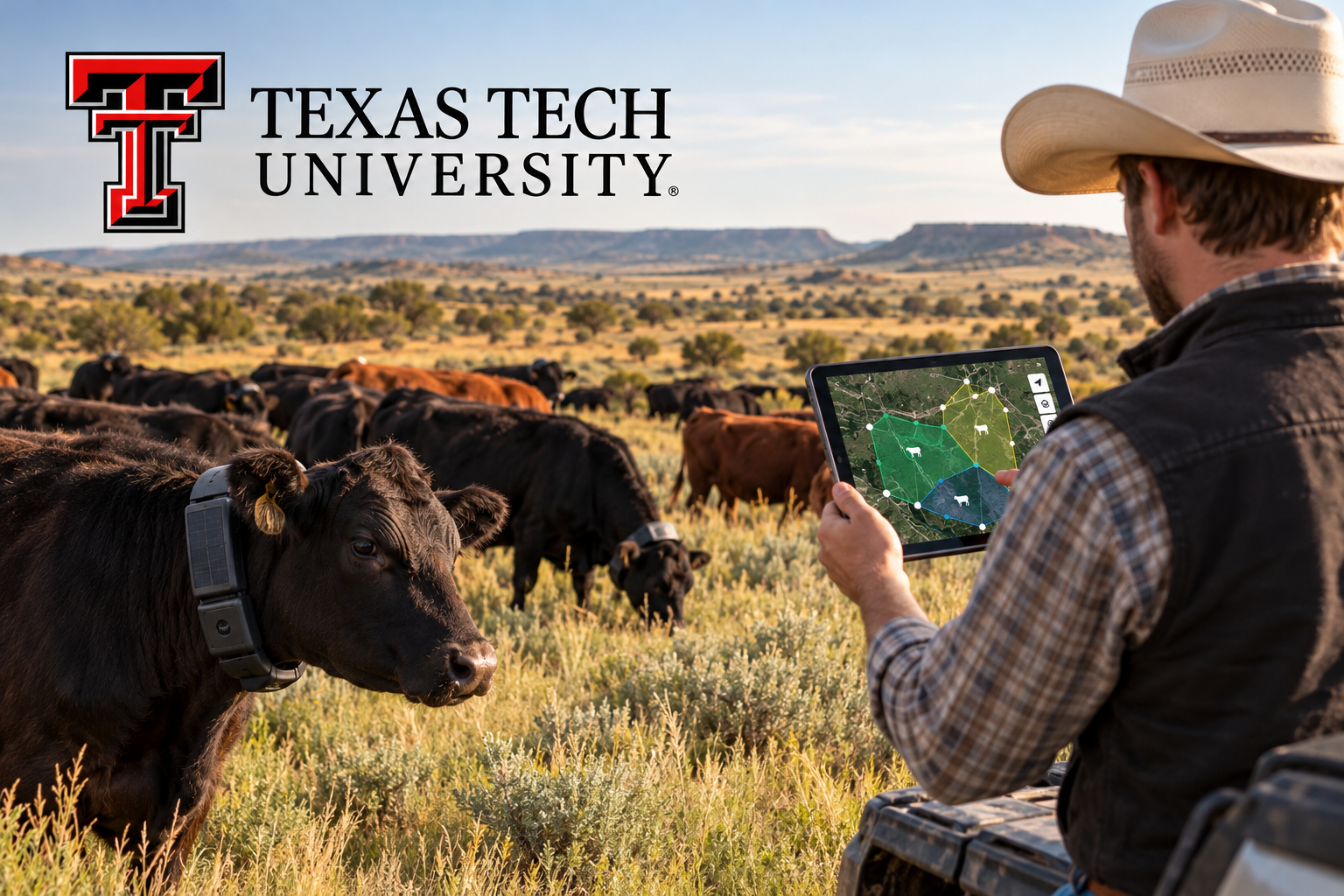
Texas Tech University is studying virtual fencing on working ranches affected by the Smokehouse Creek Wildfire, evaluating cattle management, post-fire vegetation recovery, wildlife movement, and the economics of replacing certain interior cross-fences with virtual boundaries. Read Texas Tech’s research announcement.
This research is separate from Halter. Gallagher Animal Management identifies its eShepherd virtual fencing system as part of the Texas Tech post-wildfire study. eShepherd and Halter are different systems; the project should not be presented as a Halter trial or endorsement. Gallagher’s announcement.
NFWF’s 2025 grant listing reports $499,400 in grant funding and $499,500 in matching funds, totaling $998,900, to apply virtual fencing on approximately 23,000 acres of Texas Panhandle working ranches after the wildfire.
An earlier 2022 Texas Tech project received $193,672 in grant funding and $196,177 in matching funds, totaling $389,849, with virtual fencing planned for approximately 10,000 acres in the Rolling Plains to improve grazing management, grassland health, and wildlife habitat.
These grants fund specific research and conservation projects. They are not a general reimbursement program for Halter purchases. Ranchers can ask Texas Tech about research participation and contact their local USDA NRCS office about potential EQIP assistance. Availability depends on current local programs, approved practices, eligibility, and funding; support for a particular brand or purchase should not be assumed.
Could Virtual Fencing Change Ranch Real Estate?
At Chas. S. Middleton and Son, we find the potential implications for ranch ownership especially interesting.
The location and condition of fences, the number of pastures, and the ability to manage grazing have traditionally been important considerations when evaluating ranch properties.
On rugged ranches, constructing cross-fences can be particularly expensive. Virtual fencing could provide additional flexibility where conventional fencing is difficult or impractical.
The technology may also offer opportunities to manage grazing on large, contiguous properties without permanently dividing them into numerous smaller pastures.
However, virtual fencing does not eliminate the need to consider perimeter fencing, public roads, neighboring properties, livestock security, or dependable water distribution.
It also does not automatically increase the market value of a ranch. Any potential effect on value will depend on demonstrated operating benefits and buyer demand.
Challenges and Considerations
As with any emerging agricultural technology, ranchers must evaluate the costs and practical limitations.
Cattle require appropriate training, collars must be maintained, and producers need to understand how the system performs in their particular terrain and operating conditions.
Animal welfare, reliability, ongoing service expenses, and the availability of technical support are also important considerations.
For many ranchers, virtual fencing may serve as a supplement to conventional fencing rather than a complete replacement.
The Future of Ranch Management
The ability to monitor and move cattle remotely represents an interesting development in an industry that has traditionally relied heavily on physical infrastructure and hands-on management.
Technology such as Halter may help ranchers improve grazing efficiency, reduce certain operating expenses, and manage large properties more effectively.
At Chas. S. Middleton and Son, we believe understanding these innovations is increasingly important to understanding the future of agricultural land.
As new technology becomes available, we will continue exploring how it may influence the operation, productivity, and value of farms and ranches throughout Texas, New Mexico, Oklahoma, and beyond.
Chas. S. Middleton and Son — We Know Land.
Learn more: https://www.halterhq.com/en-us/our-technology
Visit us: https://chassmiddleton.com