
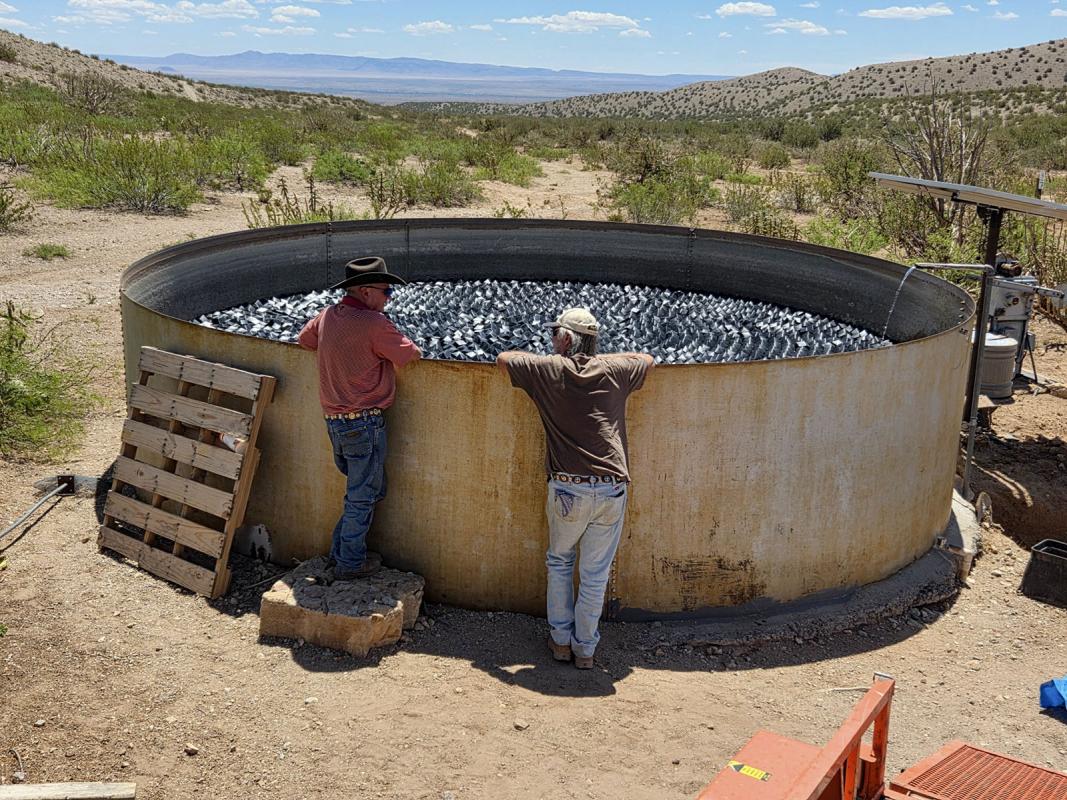
Could covering the surface of a stock tank help ranchers conserve one of their most valuable resources?
Across much of Texas, New Mexico, Oklahoma and the western United States, water has always played an important role in the productivity and value of ranch land. In areas where rainfall is limited and summer temperatures are high, simply getting water to livestock is only part of the challenge. Keeping that water from disappearing through evaporation can be another.
One relatively simple technology receiving attention from ranchers and conservation districts is the use of shade balls and modular floating covers, including products offered by VaporLok.
While the concept may look unusual, the principle behind it is remarkably straightforward: cover the exposed surface of the water and reduce its exposure to sun and wind.
What Are VaporLok Shade Balls?
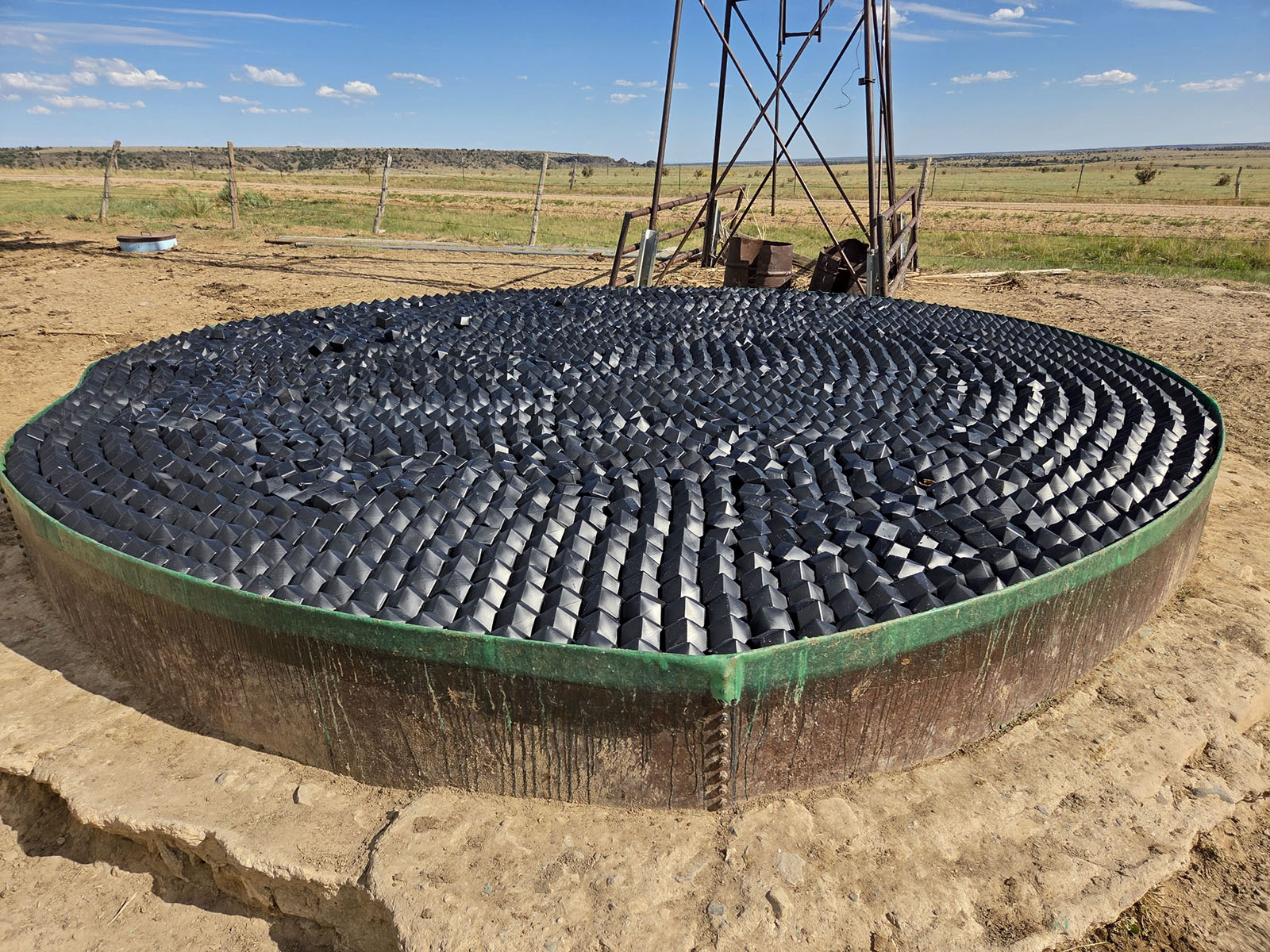
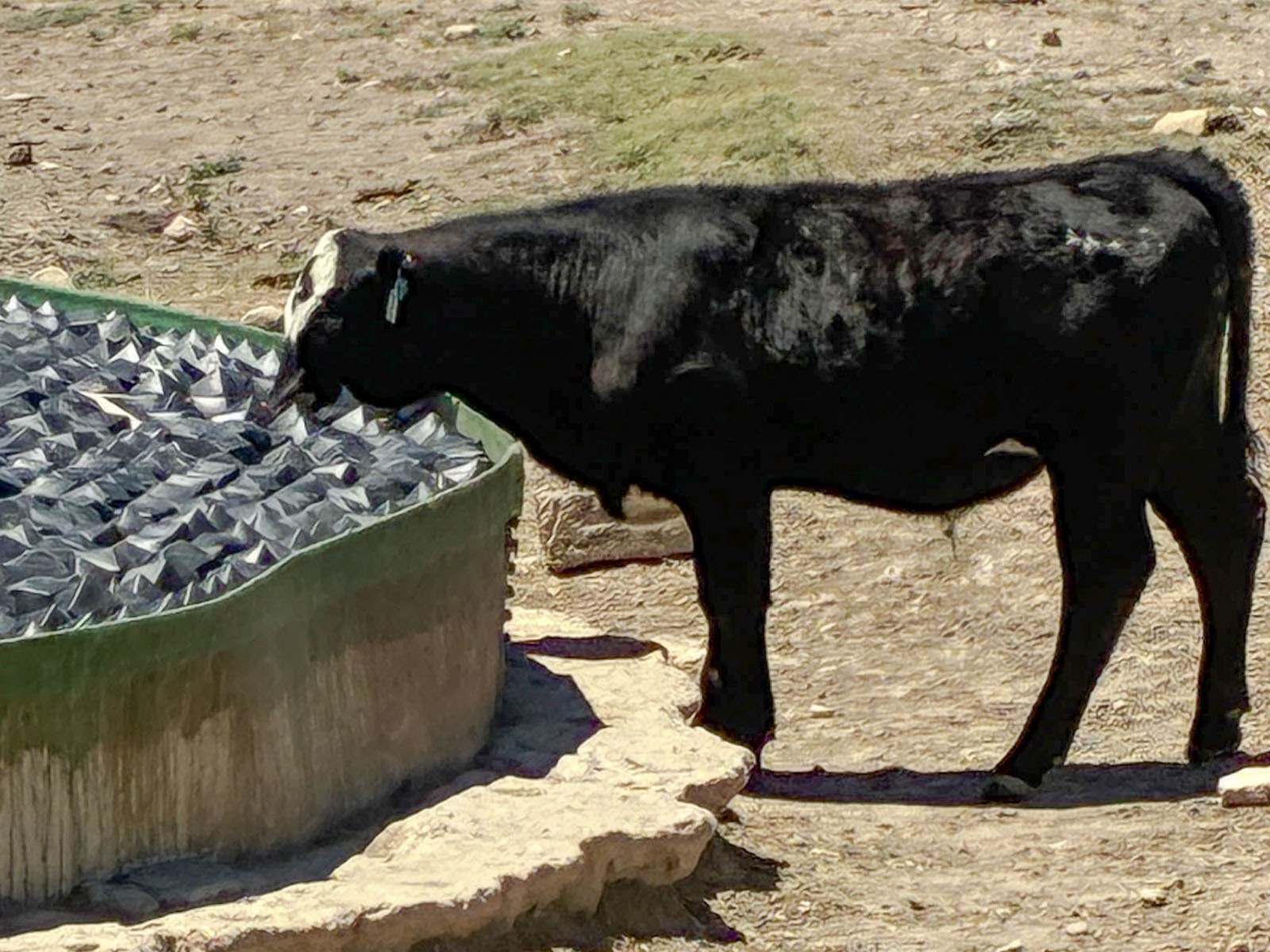
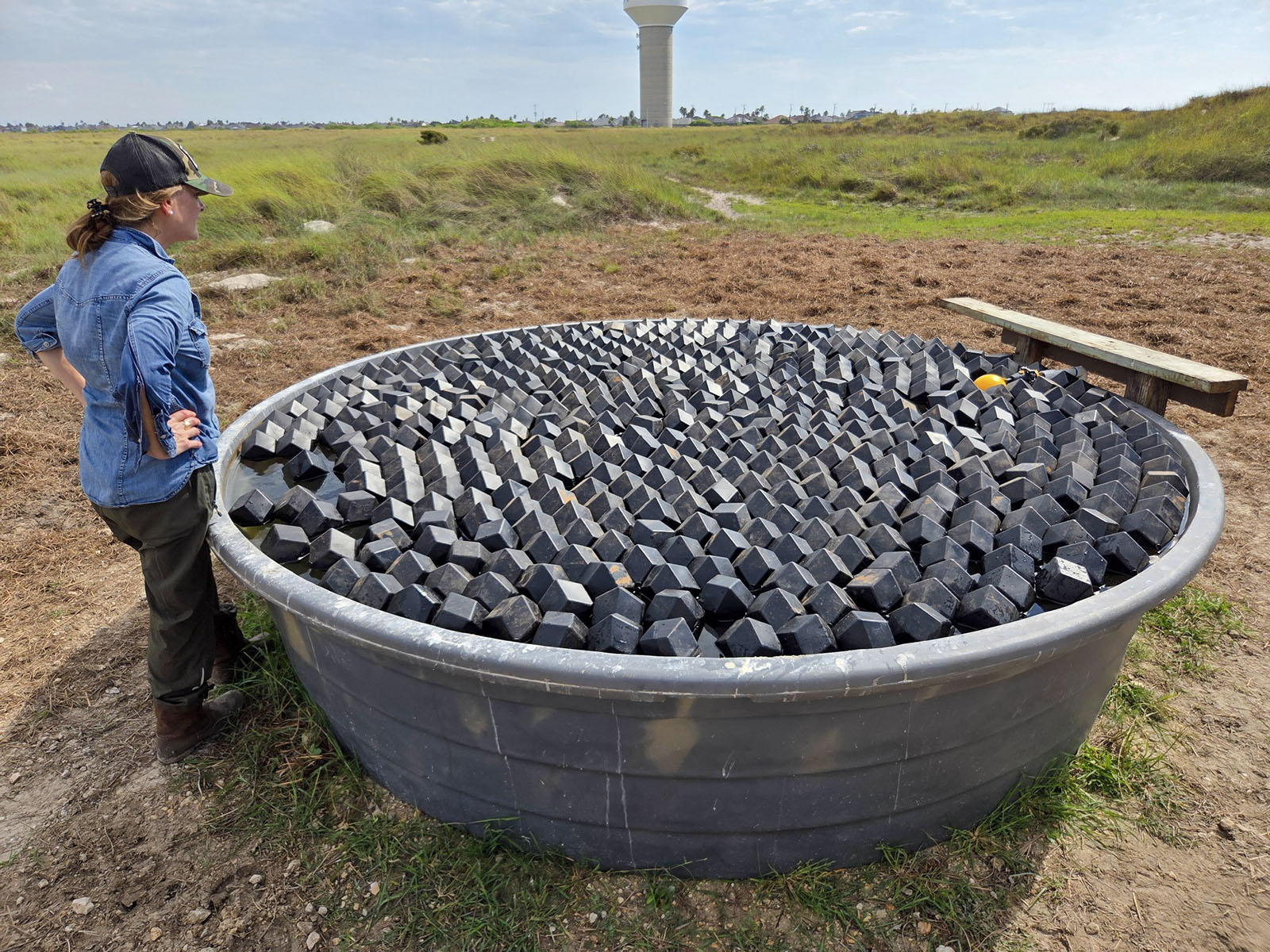
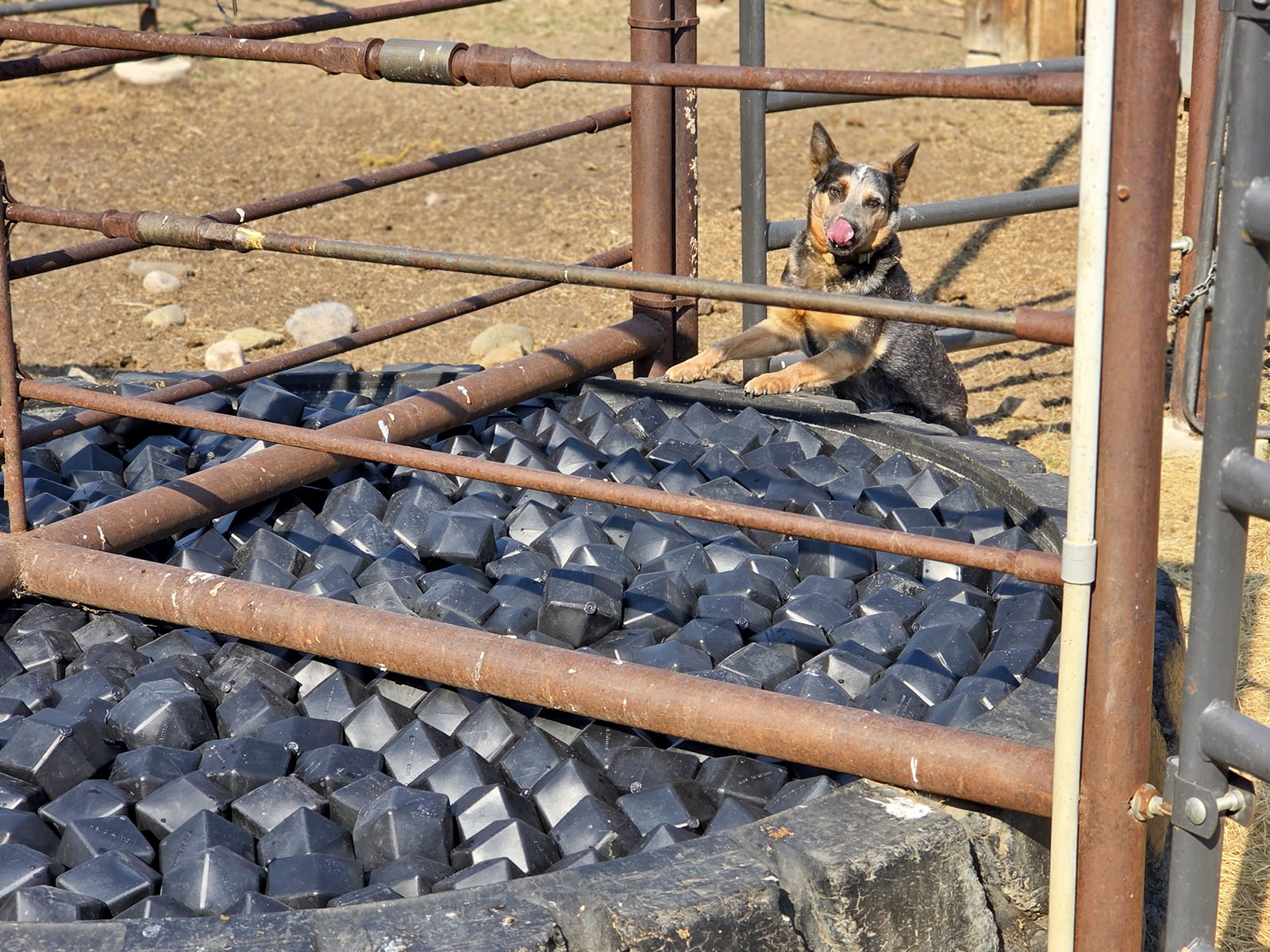
VaporLok markets floating modular covers, sometimes referred to generally as shade balls, for agricultural and industrial applications. In livestock applications, the floating pieces are placed directly on the surface of stock tanks, ponds and other water-storage facilities.
Rather than requiring a permanent roof or conventional tank cover, the individual floating units move with the water level while collectively covering much of the exposed water surface.
The objective is simple: reduce the interaction between the water surface and the conditions that drive evaporation.
Why Evaporation Matters on a Ranch
Anyone who has operated a ranch in West Texas, the Panhandle, eastern New Mexico or similar country understands how quickly water can disappear during hot, dry and windy weather.
Evaporation is influenced by several factors, including temperature, humidity, wind and the amount of exposed water surface. Large, shallow tanks and reservoirs can be particularly susceptible.
A few gallons may not sound significant. Multiply that loss across a large stock tank, day after day, throughout a long summer, however, and the amount of water involved can become substantial.
For a ranch relying on a marginal well, solar pump, windmill or hauled water, reducing that loss could have practical consequences.
How Much Water Can Shade Balls Save?
Research and field demonstrations suggest the potential savings can be significant, although actual performance will vary according to climate, tank configuration and the amount of surface coverage.
One particularly interesting demonstration was conducted in eastern New Mexico. USDA Natural Resources Conservation Service materials report evaporation losses from covered and uncovered 7.5-foot and 20-foot livestock drinkers over a period extending from 2015 to 2018.
The results were noteworthy.
The uncovered 20-foot drinker lost approximately 81,169 gallons, while the drinker equipped with shade balls lost approximately 19,772 gallons during the test period.
That represents roughly a 76% reduction in water loss in that particular demonstration.
The smaller 7.5-foot drinkers produced a similar result: approximately 10,767 gallons lost without shade balls versus 2,623 gallons with them.
Those figures should not be interpreted as a guarantee that every ranch will achieve the same results, but they demonstrate why the technology has attracted interest in water-limited ranching areas.
Benefits Beyond Evaporation
Water conservation may be the most obvious reason for using a floating cover, but it isn't necessarily the only potential benefit.
By limiting the amount of sunlight reaching the water, floating covers can also help inhibit algae growth. VaporLok specifically promotes algae reduction as one of the benefits of its agricultural system.
That could potentially mean cleaner stock water and less maintenance associated with algae accumulation in tanks.
Shade balls have also been studied for their effect on winter ice formation. Some agricultural sources have reported reduced ice formation in covered tanks, although producers should not assume that shade balls will eliminate freezing under all conditions.
In other words, the primary attraction remains water conservation, with water quality and seasonal management offering possible additional benefits.
A Potential Tool for Drought Management
The significance of technologies like these becomes more apparent during drought.
When groundwater production declines, springs weaken or surface-water supplies become unreliable, ranchers generally have two choices: develop additional water or make better use of the water they already have.
Drilling another well, extending pipelines or hauling water can become expensive very quickly.
Reducing evaporation attacks the problem from the other direction.
If a ranch can conserve a meaningful percentage of the water already being pumped into livestock tanks, the effective capacity of the existing water system increases without necessarily increasing groundwater production.
That can be particularly valuable where well yields are marginal or where livestock water is being supplied by solar-powered pumping systems with limited daily production.
Does It Make Sense for Every Ranch?
Probably not.
Like most ranch improvements, the economics depend on the individual property.
A ranch with abundant groundwater and small, rapidly replenished stock tanks may see relatively little economic benefit. A ranch dependent on low-producing wells, hauled water or expensive pumping infrastructure could reach a very different conclusion.
Producers considering a system like VaporLok should evaluate several factors, including:
- Tank or reservoir surface area
- Estimated annual evaporation
- Cost and reliability of the existing water source
- Well production rates
- Livestock water demand
- Installation cost
- Expected product life and maintenance
- Water quality and algae problems
- Alternative methods of covering or storing water
The value of conserving a gallon of water is ultimately determined by how difficult and expensive that gallon is to replace.
Water Is Part of Ranch Value
From a ranch real estate standpoint, there is a broader lesson here.
When evaluating ranch property, buyers naturally focus on acreage, grass, improvements, wildlife and location. But in many areas of the Southwest, water infrastructure deserves just as much attention.
The number and productivity of wells are important, but so are storage capacity, pipelines, stock tanks, drinkers, solar systems and the efficiency with which water is distributed and conserved.
Two ranches with similar groundwater resources can function very differently depending upon how those resources have been developed and managed.
Technologies such as floating evaporation covers are another example of how ranchers are finding ways to get more utility from existing water resources.
Making Every Gallon Count
There is no single solution to water scarcity in ranch country. Successful water management usually involves a combination of good wells, adequate storage, properly designed pipelines and drinkers, thoughtful grazing management and conservation.
VaporLok shade balls and similar floating-cover technologies represent one more tool available to landowners.
The concept is remarkably simple: if you can keep more of the water you already have, you may not need to produce as much to accomplish the same job.
For ranchers operating in dry country, that is an idea worth considering.
Chas. S. Middleton and Son has specialized in ranch, farm and recreational real estate for more than a century. In evaluating ranch properties throughout Texas, New Mexico and Oklahoma, we understand the importance that dependable water resources and well-designed water infrastructure can have on a property's productivity, usability and long-term value.
Sources and Disclaimer
The New Mexico figures above come from the Roosevelt Soil and Water Conservation District’s shade-ball presentation hosted by USDA NRCS. That demonstration used spherical shade balls; it was not a test of the VaporLok Rhombos shown in these photographs. Results should not be treated as a product-specific guarantee.
For product information, see VaporLok’s livestock water covers. For winter considerations, consult Kansas State University’s livestock watering handbook.
Disclaimer: This article is for general informational purposes and is not an independent product test or a guarantee of performance. Actual results vary by climate, surface coverage, tank configuration and management. Verify product claims and suitability with the manufacturer or supplier, and maintain reliable livestock access to water, including during freezing weather.