
Chas. S. Middleton and Son | Technology in Agriculture | We Know Land
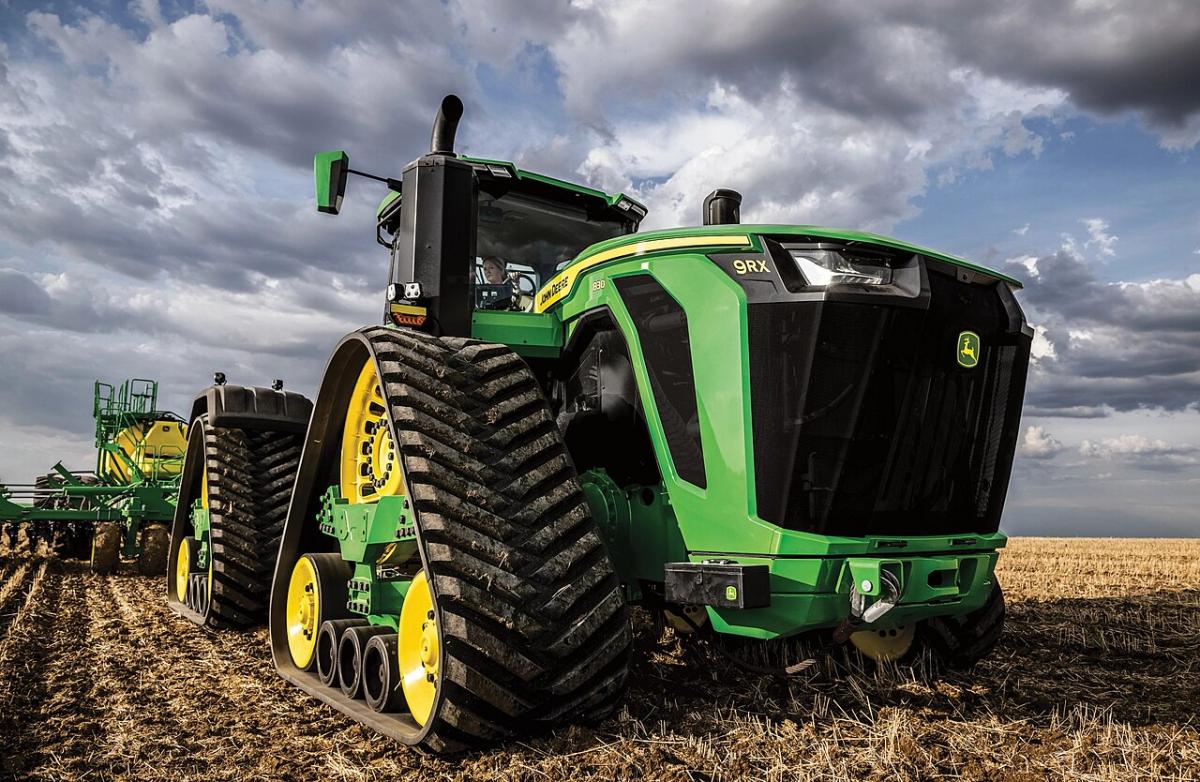

Agriculture has always been an industry shaped by innovation. From horse-drawn plows to modern tractors equipped with GPS guidance and precision planting systems, advancements in technology have continually changed the way farmers operate.
Today, another major development is gaining momentum: driverless tractors and autonomous agricultural equipment.
What once seemed futuristic is becoming a practical reality. Major equipment manufacturers and agricultural technology companies are developing machines capable of performing fieldwork with limited human intervention, potentially changing how large farming operations are managed.
For farmers and agricultural landowners across Texas, New Mexico, Oklahoma, and beyond, this technology could have meaningful implications for labor, efficiency, operating expenses, and ultimately the economics of agricultural land.
How do driverless tractors work?
Autonomous tractors combine several advanced technologies, including GPS guidance, cameras, sensors, artificial intelligence, and remote monitoring systems.
Depending on the manufacturer, these systems allow equipment to navigate predetermined routes, identify certain obstacles, perform designated field operations, and communicate with a farmer or equipment supervisor.
An operator may be able to establish field boundaries, assign work, monitor progress, and receive notifications from a smartphone or computer without physically sitting inside the tractor.
The technology still requires oversight, but the potential is significant: one person may eventually be able to supervise multiple machines operating in different fields.
Who is leading the driverless tractor revolution?
Several manufacturers are pursuing autonomous farming, although their approaches differ considerably.
1. John Deere — Autonomous 9RX Tractor
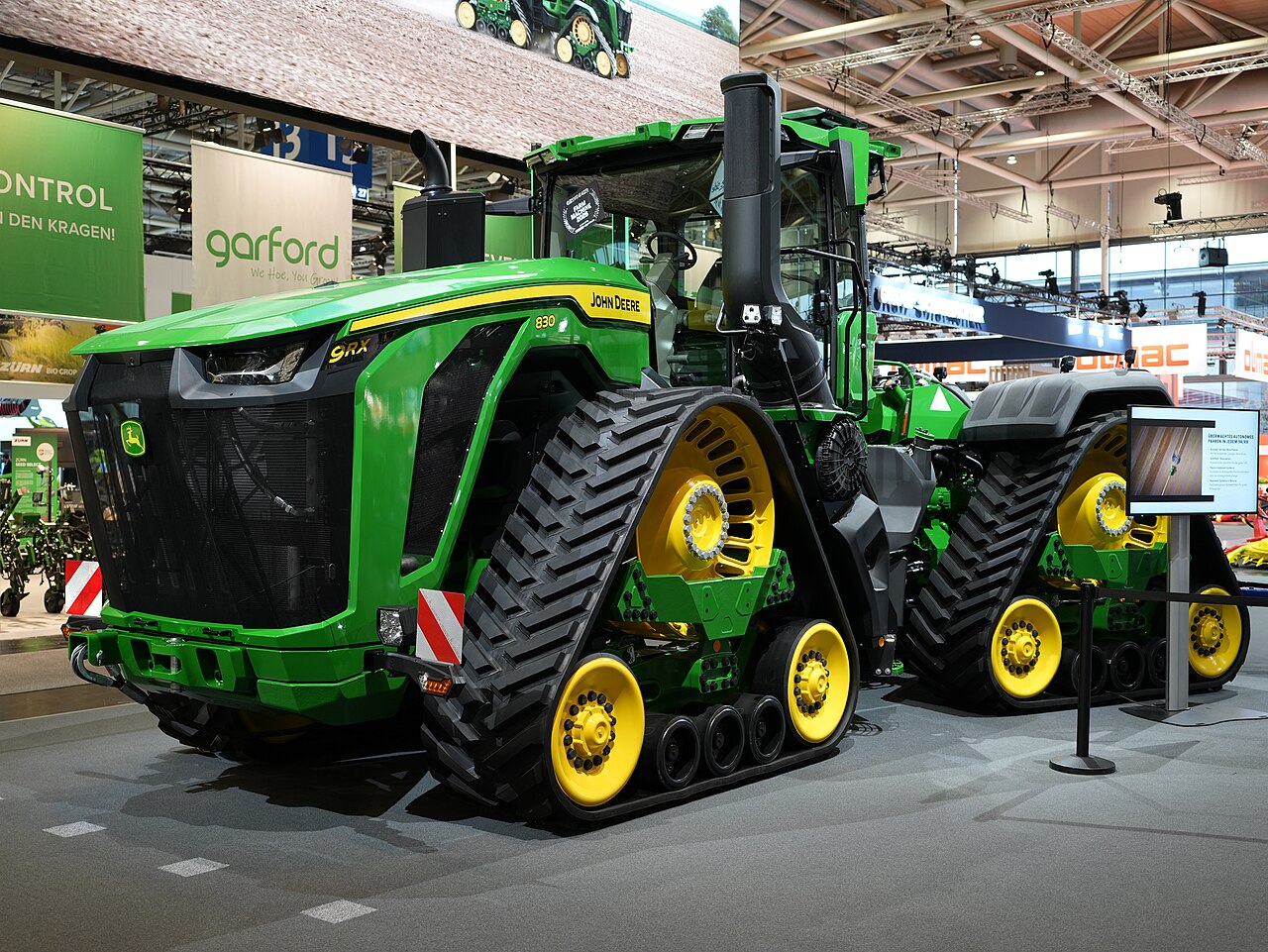

John Deere is among the most recognizable companies investing in autonomous agricultural equipment.
Its autonomous 9RX tractor is designed for large-scale agricultural operations, particularly tasks such as tillage that traditionally require long hours behind the wheel.
The system incorporates advanced camera technology, artificial intelligence, and GPS positioning to navigate fields and detect obstacles.
Farmers can monitor equipment through John Deere's Operations Center platform and receive alerts when human attention is required.
Why it matters: For large farming operations across the Southern Plains, the ability to perform tillage with less time spent in the cab could offer important labor and scheduling advantages.
Manufacturer: John Deere Autonomous Tractor Technology
2. AgXeed — AgBot Autonomous Tractors
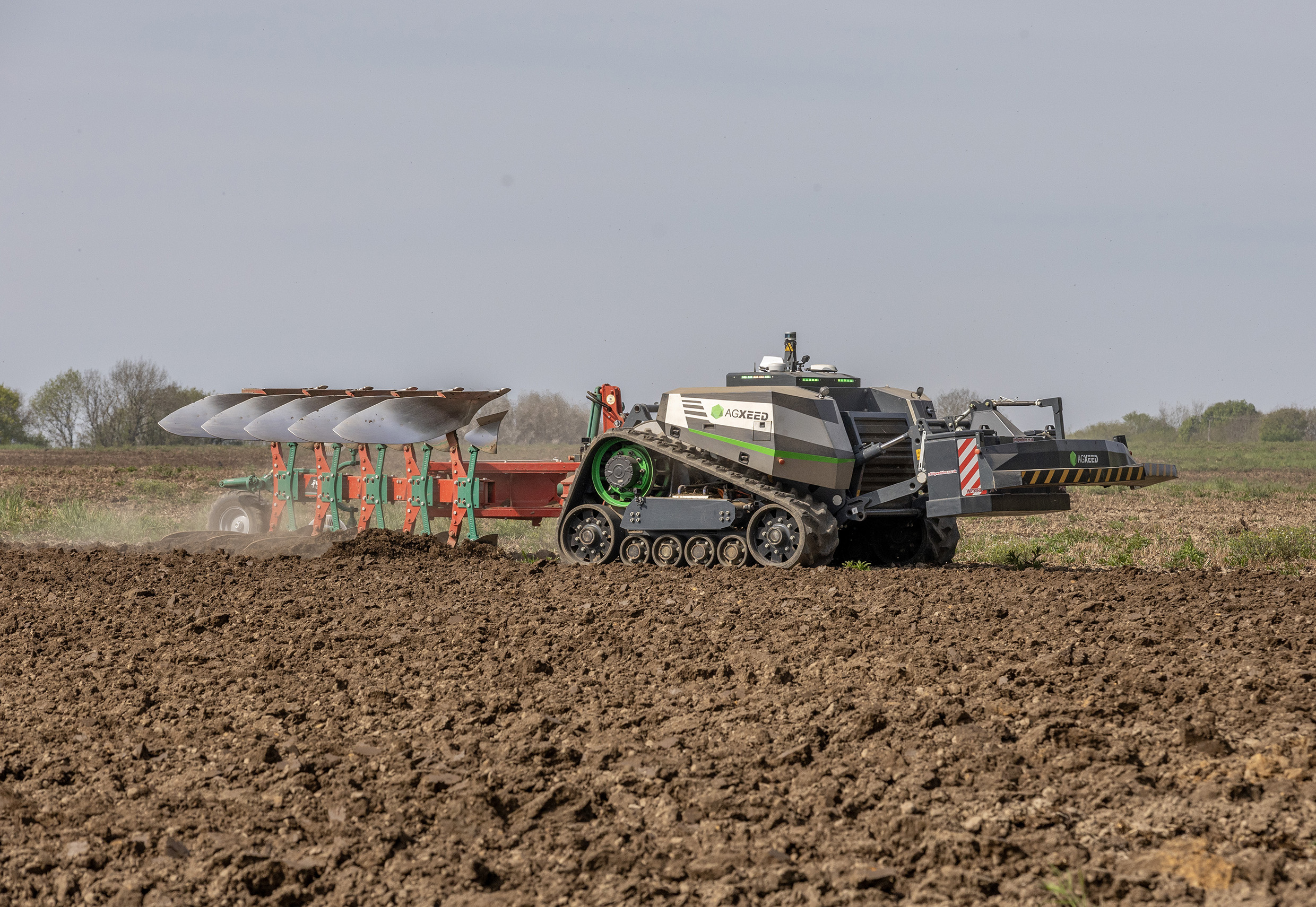
European agricultural technology company AgXeed is taking a different approach.
Rather than adapting a traditional tractor, AgXeed has developed autonomous agricultural machines specifically designed to operate without a driver's cab.
Its AgBot lineup includes tracked machines designed for agricultural fieldwork, using advanced navigation and automated task planning.
The AgBot T2 7 Series offers a diesel-electric powertrain and approximately 230 horsepower, making it an interesting example of a purpose-built autonomous agricultural machine.
Why it matters: Equipment designed from the ground up for autonomous operation could eventually change how farmers think about machinery size, field efficiency, and equipment utilization.
Manufacturer: AgXeed Agricultural Robotics
3. Monarch Tractor — Electric and Autonomous Farming
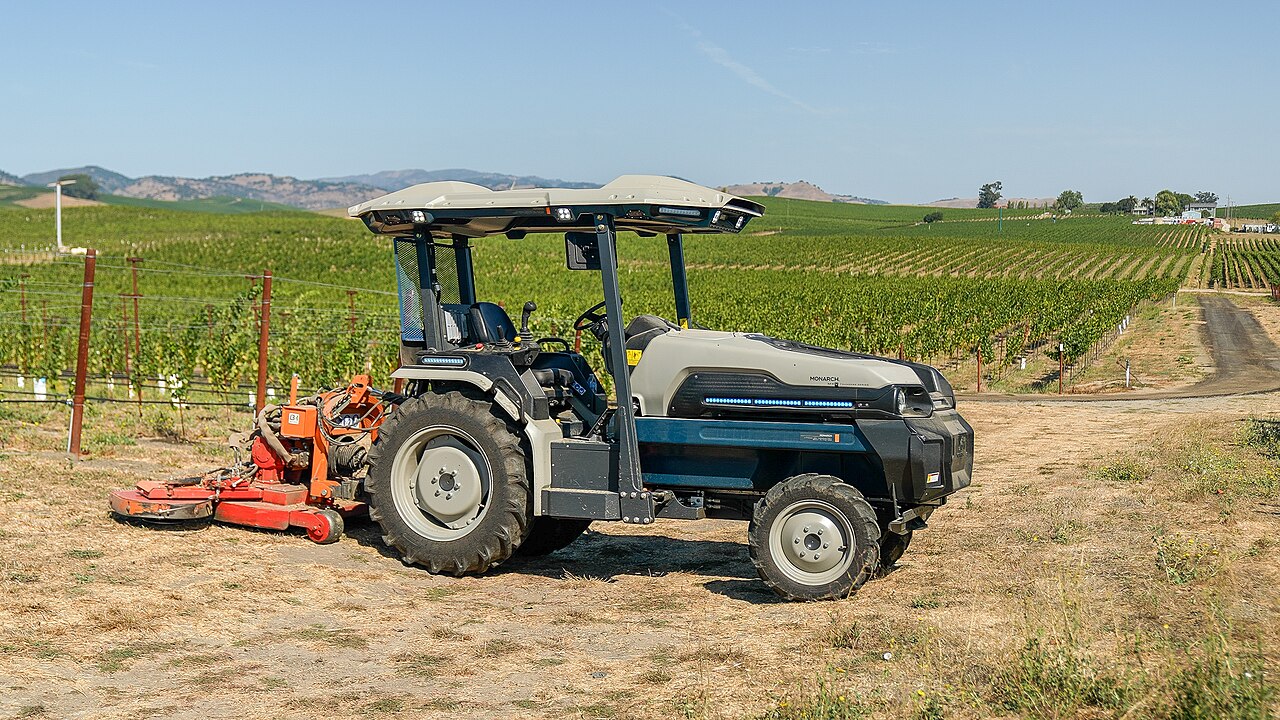

Monarch Tractor has developed electric tractors with autonomous capabilities, particularly suited to specialty agricultural operations.
Its MK-V tractor combines electric propulsion, automated driving features, and digital equipment management.
Although smaller than the high-horsepower tractors commonly used on large Southern Plains farms, Monarch illustrates another direction agricultural automation is taking.
Why it matters: Autonomous technology is not limited to large grain farming operations. Orchards, vineyards, and other specialized agricultural enterprises may also benefit from automation.
Manufacturer: Monarch Tractor MK-V specifications (PDF)
See autonomous farming in action
John Deere Autonomous Tractor Demonstration
Watch how John Deere's autonomous farming technology operates and how a farmer can monitor equipment remotely.
What are the advantages for farmers?
The potential benefits of autonomous farming extend beyond simply removing an operator from the tractor.
Labor efficiency. Finding dependable, experienced equipment operators can be challenging. Autonomous machinery may allow fewer people to oversee larger farming operations.
Longer operating windows. During critical planting and field preparation periods, equipment capable of operating for extended hours could help farmers take advantage of favorable weather conditions.
Precision and consistency. GPS-guided equipment can reduce unnecessary overlap and help maintain consistent field operations.
Equipment utilization. Autonomous systems may allow machinery to complete more work during a given period, improving the productivity of expensive equipment investments.
Potential cost savings. Reduced labor requirements and more efficient operations could improve profitability, although actual savings will depend on purchase costs, maintenance, supervision, and field conditions.
What could autonomous tractors mean for farmland values?
At Chas. S. Middleton and Son, one of the most interesting aspects of this technology is its potential influence on agricultural real estate.
Large, contiguous fields with relatively uniform terrain may be particularly well suited for autonomous equipment.
Field configuration, access, drainage, obstacles, and reliable communications infrastructure could become increasingly important considerations as autonomous machinery becomes more widely adopted.
For example, a large farm with efficient field layouts and minimal obstructions may be easier to operate autonomously than a property divided into numerous small, irregularly shaped tracts.
That does not necessarily mean autonomous-ready farms will command an immediate price premium. Agricultural land values remain driven by factors such as soil productivity, water availability, location, commodity markets, and investment demand.
However, as autonomous technology develops, its effect on operating efficiency could become another consideration for buyers, sellers, and agricultural investors.
Challenges and limitations
Despite the progress being made, autonomous farming is not without challenges.
Equipment costs, maintenance, safety, software compatibility, connectivity, and the ability to respond to unexpected field conditions all remain important considerations.
Not every operation is suitable for autonomous equipment, and human oversight continues to be necessary.
Adoption will likely occur gradually as manufacturers improve reliability, expand equipment capabilities, and demonstrate economic benefits under real farming conditions.
The future of agriculture
Agriculture has undergone tremendous changes over the past century, and autonomous tractors represent another important chapter in that evolution.
While it is difficult to predict exactly how quickly driverless equipment will become commonplace, the continued investment by major manufacturers suggests that automation will play an increasingly important role in agricultural production.
At Chas. S. Middleton and Son, we have spent generations working with farmers, ranchers, and agricultural landowners. Understanding how land is operated, what makes it productive, and the factors influencing its value has always been central to our business.
As technology changes the agricultural industry, we will continue exploring developments that may influence the ownership, management, and value of farms and ranches throughout Texas, New Mexico, Oklahoma, and beyond.
Chas. S. Middleton and Son — We Know Land.
www.chassmiddleton.com